
Losing a tooth can be unnerving. However, once a dental extraction is safely completed, many people don’t see tooth loss as requiring targeted care. However, there are still matters to address.
When tooth loss is left untreated over the long term, serious issues can begin to brew beneath the surface. Without the stimulation of the natural tooth's root, the jawbone begins to change quickly and significantly. Understanding what happens and how to manage it can help you protect both your oral health and your facial appearance.
What Happens to the Jawbone After Tooth Loss?
Your natural tooth roots play an important role beyond anchoring your teeth in place. They stimulate the jawbone every time you chew. When a tooth is lost, that stimulation disappears, and the body begins breaking down the unused bone in a process called resorption. This change happens faster than many people expect. Studies show that significant bone loss can occur within the first year. Over time, it can lead to:
- Shrinking or weakening of the jawbone
- Shifting of nearby teeth out of alignment into the space
- Changes in bite alignment
- A sunken or prematurely aged facial appearance
Without intervention, these effects can make future tooth replacement more complex and impact oral function.
Why Dental Implants Are the Best Solution
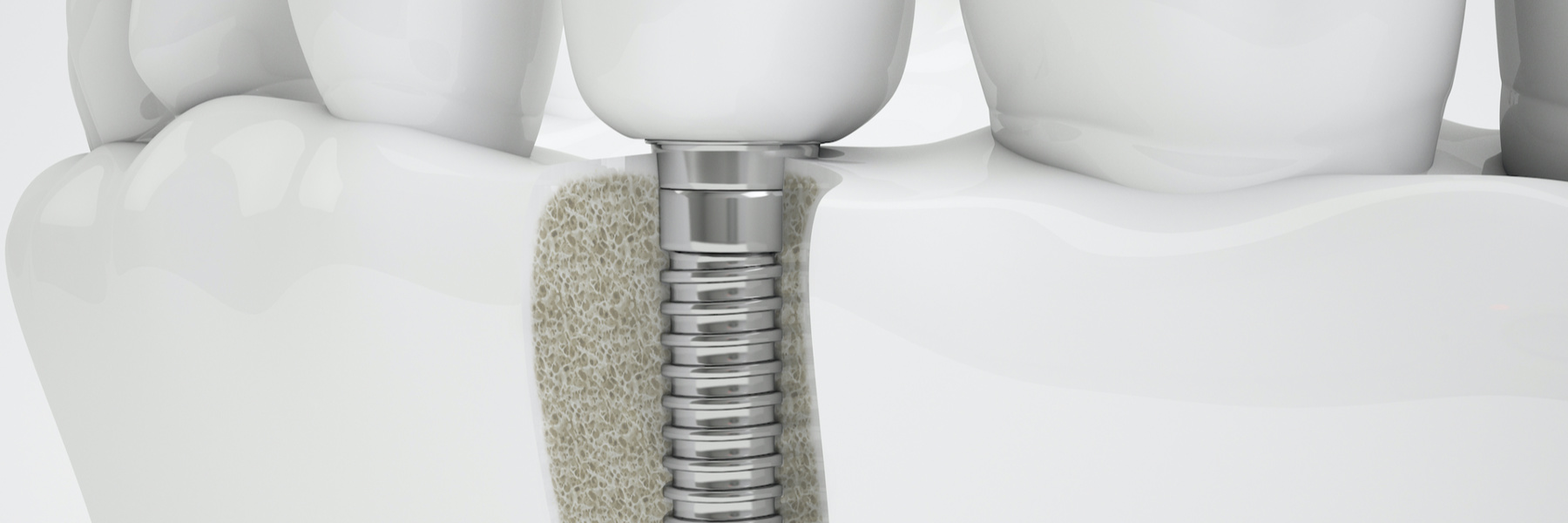
Dental implants are the only tooth replacement option that replaces the root as well as the visible “crown” of a tooth. During implant placement, a small titanium post is placed into the jawbone, where it fuses permanently with the bone through a process called osseointegration.
Because implants function like natural roots, they restore the stimulation your jawbone needs to stay strong. This provides several long-term benefits:
- Preventing significant bone loss
- Maintaining natural facial structure and contours
- Keeping neighboring teeth from shifting out of alignment
- Restoring a strong and stable chewing function
Unlike dentures or bridges, which sit on top of the gums, implants actively support the bone for decades without requiring retreatment. This makes them the most complete tooth replacement solution.
Why Timing Matters
The sooner you replace a missing tooth, the better. Early implant placement can help preserve existing bone and may reduce the need for later procedures such as bone grafting. However, even if you’ve had a missing tooth for some time, dental implants may still be an option with proper evaluation and planning.
Reliable Tooth Replacement in Coeur d’Alene, ID
If you’re in Coeur d’Alene or Ponderay and want to learn more about how dental implants can protect your jawbone, bite, and smile for years to come, contact Dr. Chace Mickelson and the friendly and knowledgeable North Idaho Dental Group team to schedule a consultation.